
I spent seven years on a consumer electronics sales floor helping people choose laptops, earbuds, tablets, chargers, and all the little things that end up mattering more than the big box they came for. Then I left retail and started working as an operations coordinator in a healthcare company. The shift did not remove tech from my life. It just made the daily friction more obvious. Long email days, video calls that drag, desk clutter, forgotten chargers, battery anxiety, and products that sounded smart in the store but turned annoying once real life took over.
That combination is why this blog exists. I am Dana Whitaker, and Checkout Smarter is the practical tech buying advice I wish more people had before they walked into a store or opened a product page. A good device should make your day easier, not louder. Most of the content floating around assumes you either want to become a hobbyist or you are willing to overspend for features you will never notice. I write for the middle: the office worker, the hybrid employee, the graduate student, the freelancer, the everyday buyer aged roughly 24 to 40 who needs tools that work and then wants to move on with life.
The Sales Floor Taught Me What Specs Never Show
In retail I saw the same patterns week after week. Someone would come in needing a laptop for email, browser tabs, video calls, and light travel. By the time they left, the conversation had often shifted to processors, refresh rates, and “future-proofing.” The extra dollars rarely bought a noticeably better workday. They bought a higher price tag and a longer decision process.
I also saw the reverse. People who asked simple, grounded questions—How long will the battery actually last on a full day of meetings? Will this keyboard still feel fine after three weeks? Is the mid-tier charger good enough for both my laptop and phone?—usually walked out with something they still liked six months later. Those questions are not glamorous. They are useful.
Retail also taught me how easy it is to get nudged. Upsells are rarely framed as pressure. They arrive as helpful suggestions: “For only a little more you get…” or “Most people in your situation go for the higher model.” The higher model is not always wrong. It is simply not always necessary. Once I left the floor and started living with the same devices in a regular job, the gap between sales talk and daily reality became even clearer.
What Real Workdays Actually Demand
My current job is not in tech. It is operations work that still lives inside screens, calendars, and meetings. That keeps the recommendations honest. I notice when a laptop starts feeling heavy on a commute. I notice when a pair of earbuds loses comfort after two hours of calls. I notice when a charger that looked compact in the packaging becomes the one I leave behind because the cable is too short or the plug is too bulky.
These observations are not dramatic. They are the quiet reasons devices get returned or shoved in a drawer. Specs rarely capture them. Benchmark charts almost never do. Lived-in use does. That is the lens I use here.
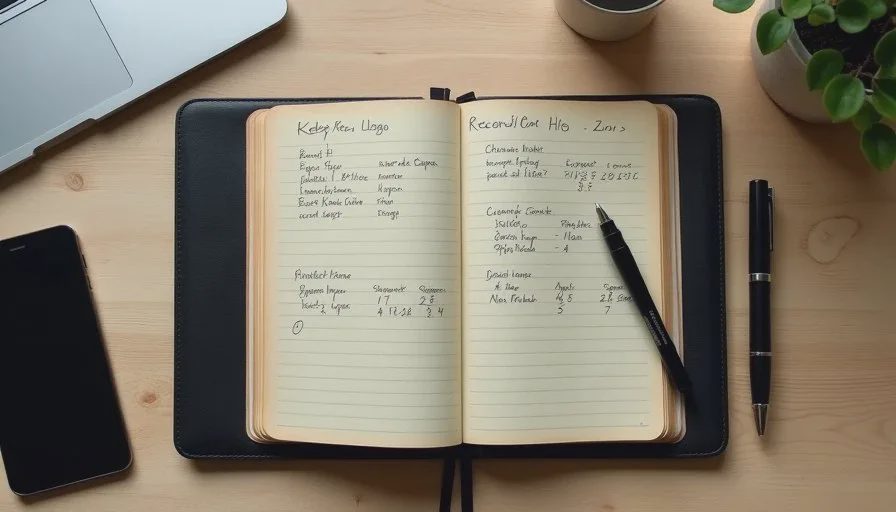
I keep a small note in my phone after every new tech purchase: a running “return-it or keep-it” log. The entries are short. Battery dipped earlier than expected. Stand took up more desk space than it saved. Keyboard looked clean online but felt mushy by week two. Those notes become the backbone of the longer reviews you will find in the Keep It, Return It section.
How the Four Sections Fit Together
Checkout Smarter is organized around four practical categories so you can find what you need without wading through noise.
Daily Driver
This is where laptops, tablets, and the core devices that carry most of a workday live. The focus stays on normal use: email, meetings, browser tabs, travel, battery life, and how a machine feels after weeks of routine. You will not find deep dives into gaming performance or professional video editing unless those tasks are part of ordinary office life.
Small Gear, Big Difference
Chargers, stands, keyboards, earbuds, power banks, cables, and desk accessories often improve a day more than an expensive upgrade. These posts look at the quiet upgrades that reduce friction without demanding a new budget conversation every quarter.
Store Brain
This section draws directly from retail experience. Upsell patterns, the language of “future-proof,” mid-tier value, return logic, and how to walk into a store without letting the store decide for you. The goal is clearer judgment, not clever shopping tricks.
Keep It, Return It
These are the longer-term notes. What still feels worth the money after the honeymoon period ends. What becomes annoying by day ten or week three. What gets kept because the battery held up or the comfort never faded. Real use is the only test that matters once the box is open.
The Rules I Follow When I Write
I translate technical differences into ordinary outcomes. If a difference will not show up in a normal workday, I say so. I respect normal budgets and normal habits. Not every buyer needs or wants the flagship. Many people are happier with the version that simply works and stays out of the way.
I avoid treating readers as if they are careless or uninformed. Most people are busy. They do not have time to become experts just to buy a laptop or a pair of headphones. Clear guidance is more useful than a performance of expertise.
I do not overload posts with intimidating detail. Specs appear only when they change the daily experience. When they do not, they stay in the background.
I also show the friction. Devices that looked good on paper and then started to annoy me get written up honestly. The same goes for accessories that seemed minor until they became the thing I reached for every morning.
What This Blog Is Not
This is not a place for endless benchmark tables or for treating every purchase as a status decision. It is not built to make you feel behind if you are still using last year’s model. It is not interested in tribal arguments about brands.
The tone stays sharp but friendly—the kind of advice you might get from someone who has already made the common mistakes and is willing to save you the time. Buy the version you will still like in six months. If you will notice it every day, it matters. If you will not, you can usually spend less and move on.

Why the Timing Feels Right
Work has changed for a lot of people. Hybrid schedules, longer screen hours, and more time spent on video calls mean the devices and accessories we use every day matter more than they did a decade ago. At the same time, the volume of tech content has grown louder. Specs, hype cycles, and upgrade pressure can make a simple purchase feel heavier than it needs to be.
A calmer middle ground is useful. People still need to buy things. They still want those things to work well. They simply do not need the decision to consume more attention than the device itself will save.
That is the space Checkout Smarter occupies. Practical judgment shaped by retail experience and real office use. Clear recommendations that respect both budget and daily reality. Advice aimed at people who have better things to do than become full-time tech hobbyists.
If you are looking for buying guidance that stays grounded, you are in the right place. The goal is simple: help you buy once, regret less, and get back to the rest of your day.
A good device should make your day easier, not louder. That sentence is the filter I use for every post. It is also the invitation. Welcome.



No comments yet.