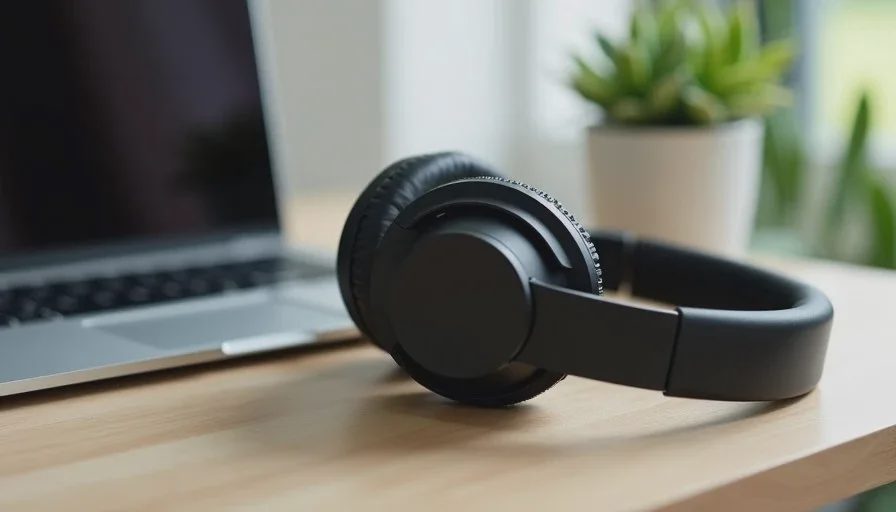
I used to assume that better headphones meant more impressive specifications. Higher noise-cancellation numbers, more drivers, premium materials, longer feature lists. After years of helping customers on the sales floor and then living with headphones through long office days, hybrid schedules, and ordinary walks, I changed the filter. The headphones that stay in rotation are the ones that feel comfortable after two hours of calls, create enough quiet to focus, and still feel acceptable when I wear them outside for a walk. Everything else is secondary.
Most people who ask for headphone advice are not mixing music or monitoring recordings. They are trying to take video calls without sounding distant, reduce the noise of an open space or a busy street, and avoid the low-level irritation of ear fatigue by mid-afternoon. Those needs point toward a different set of priorities than the ones that dominate most product pages.
What Everyday Headphone Use Actually Requires
A typical workday mix looks something like this: several video calls, focused work that benefits from reduced distraction, occasional music or podcasts between meetings, and time spent walking between places or simply moving around the house. Comfort has to hold up across all of those situations. Noise control needs to be effective enough to make calls clearer and focus easier without feeling like total isolation. Battery life has to survive a full day without constant charging anxiety. And the headphones need to be light and practical enough that putting them on does not feel like a decision.
When those basics are covered, the experience stays quiet and useful. When any of them fail, the headphones start generating the same keep-or-return notes I write for every other device.
The Features That Matter for Work and Daily Quiet
Comfort That Lasts Past the First Hour
On-ear pressure, clamp force, and ear-cup depth only reveal their true character after repeated longer sessions. Headphones that feel fine for twenty minutes can start to create hot spots or fatigue once calls and focused work stretch longer. I look for a fit that remains neutral rather than impressive. Soft padding that does not trap too much heat and a clamp force that seals well without squeezing are more important than dramatic design.
Noise Control Tuned for Real Environments
Active noise cancellation is useful for offices, shared spaces, and city walking. It does not need to be the absolute strongest version available. It needs to reduce the frequencies that actually interfere with calls and concentration—voices, low HVAC rumble, street noise—without creating strong pressure sensations in the ear. Transparency modes that let you hear your surroundings clearly are equally practical for walking and for quick conversations without removing the headphones.
Microphone Performance for Calls
Many headphones sound excellent for music and mediocre for the other person on a call. Since workdays are full of meetings, microphone clarity under ordinary indoor conditions matters more than most marketing emphasizes. A microphone that keeps your voice natural and reduces background distraction makes every call easier for everyone involved.
Battery Life That Matches a Full Day
Claimed battery numbers are written for ideal conditions. What matters is whether the headphones still have charge left after a mixed day of calls, music, and noise cancellation. Models that reliably clear a full workday plus a walk remove one more small source of friction.
Features You Can Usually Treat as Secondary
Spatial audio, high-resolution codecs, and extensive equalization options are interesting if you are particular about music. For work, calls, and daily quiet they rarely change the experience enough to justify extra cost or complexity. The same is true for the most extreme noise-cancellation figures. Once the headphones reduce enough distraction to make focus and calls easier, further gains often come with diminishing returns or added pressure on the ears.
Multi-device pairing is convenient when it works smoothly. It becomes a mild annoyance when switching feels unreliable. I prefer simple, predictable connection behavior over a longer feature list that requires occasional troubleshooting.

How I Evaluate Headphones in Real Use
I wear them for actual work blocks, not just short listening tests. I take calls. I walk outside. I notice whether I remove them earlier than expected because of heat or pressure. I check whether the noise cancellation makes a tangible difference in the environments I actually occupy. And I write the same short keep-or-return notes I use for every other product.
Early notes often focus on comfort and call quality. Later notes reveal whether the battery behavior matches real days and whether the headphones still feel like the default choice or whether I start reaching for a simpler pair. Two weeks is usually enough time for the pattern to become clear.
Headphones that remain comfortable, create useful quiet, and handle calls without drama tend to stay. Headphones that generate repeated notes about pressure, heat, or microphone performance usually move to occasional use or go back.
Practical Considerations for Walking and Commuting
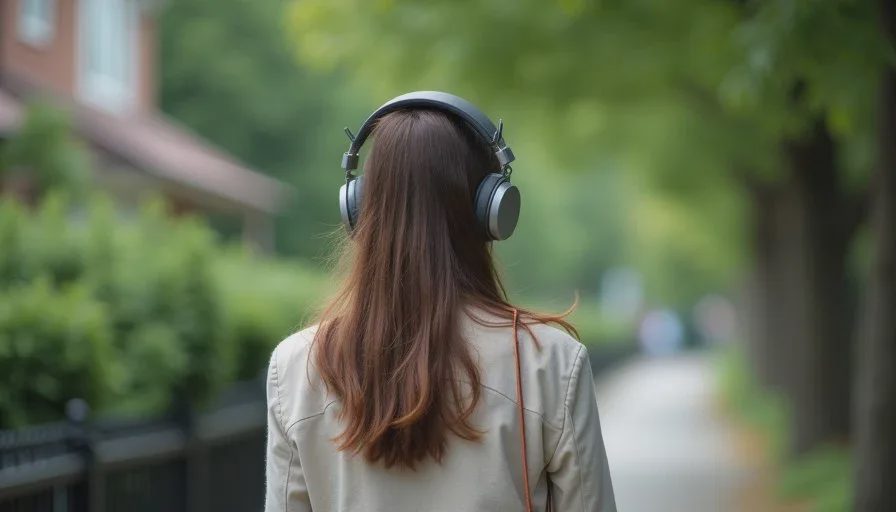
If you walk regularly, weight and stability matter. Headphones that shift or feel heavy after twenty minutes outdoors become less likely to leave the house. A secure yet comfortable fit and easy access to transparency mode make city walking safer and less isolating.
Weather resistance is useful but does not need to be extreme for ordinary use. The ability to survive light rain or sweat without worry is enough for most daily patterns.
Portability also influences whether the headphones actually get used. A case that is easy to slip into a bag and a folding design that does not feel fragile increase the chance that the headphones travel with you instead of staying on the desk.
Common Mismatches I Still See
People buy studio-oriented or high-end audiophile headphones for ordinary work and then discover that comfort or microphone performance is secondary in those designs. People chase the highest noise-cancellation rating and end up with more ear pressure than they wanted. People underestimate how much call quality matters until they have lived through a week of meetings.
The most consistent mismatch is prioritizing music features when the dominant daily uses are calls and focus. Music still matters, but it is rarely the activity that decides whether the headphones stay in the bag or on the desk.
What Good Everyday Headphones Feel Like After Several Weeks
The pairs that remain in rotation share quiet strengths. They disappear on the head after the first few minutes. Noise cancellation reduces enough distraction to make focus easier without creating a sealed-off sensation. Calls sound clear to the other person. Battery life stops being something I calculate. Putting them on feels automatic rather than deliberate.
When those conditions are present, the headphones become infrastructure. They support the day instead of adding a layer of management. That is the standard I use.
I have returned technically impressive headphones because they became uncomfortable by mid-afternoon. I have kept simpler pairs because they remained neutral and useful across full days and ordinary walks. Real use continues to be the only test that matters once the unboxing excitement fades.
Final Thought
If your headphones need to handle work calls, focused time, and regular walking, start with comfort, practical noise control, microphone clarity, and battery life that matches real days. Treat advanced audio features as optional rather than essential. Give any new pair a full two-week trial under actual conditions before you decide they are permanent.
A good device should make your day easier, not louder. Headphones that create useful quiet, stay comfortable, and handle calls without drama meet that standard. Headphones that impress on paper but generate early fatigue or friction do not—no matter how strong the specifications look. Choose the pair you will still reach for after the novelty is gone. That is the one that actually improves ordinary days.


No comments yet.