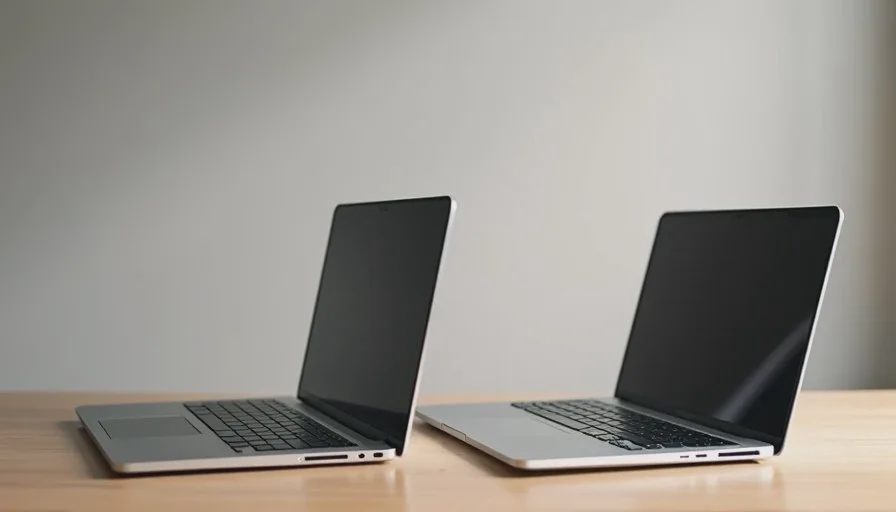
I heard the phrase almost every shift. A customer would narrow the choices to two laptops or two pairs of headphones. The higher-priced option would sit on the counter. Then the sentence would arrive: “This one is more future-proof.”
It sounded careful and responsible. It suggested that spending more today would protect the buyer from inconvenience later. Many people nodded and moved up a tier. Some later told me they still used the device for the same tasks they had originally described and never noticed the extra capability.
“Future-proof” is one of the most effective pieces of sales language in consumer electronics because it is difficult to argue against in the moment. No one wants to feel short-sighted. The problem is that the phrase rarely comes with a clear definition of which future, which tasks, or which timeline. Once you unpack it, the practical value for ordinary work and daily use is often smaller than the conversation implies.
What the Phrase Usually Points To
On the sales floor, “future-proof” most often meant one of three things: a faster processor, more memory, or higher storage capacity. Sometimes it included a better graphics option or a higher-resolution screen. The underlying claim was that the higher configuration would remain pleasant to use for more years and would handle tasks the buyer had not yet encountered.
The language worked because it shifted the discussion away from the customer’s actual current needs and toward an undefined later period. Current needs are concrete and easy to under-buy. An undefined future is easy to over-buy. The gap between those two is where the extra margin usually lived.
I learned to listen for the moment the conversation left the customer’s real workload. When the discussion moved from “I need this for email, documents, and calls” to “you might want to do more later,” the future-proof framing had begun.
Why the Promise Is Hard to Measure
True future-proofing would require knowing how software demands, battery chemistry, and the buyer’s own habits will change. None of those variables are fixed. A laptop that feels fast today can still feel fast in three years if the workload stays in the same range. A higher-spec machine can feel disappointing if battery life degrades or if the keyboard and screen become the limiting factors.
Most ordinary office and hybrid workloads do not grow aggressively. Email clients, browser tabs, document editing, and video calls improve in efficiency as often as they demand more power. The jump from a capable mid-tier configuration to the next tier up frequently delivers more theoretical headroom than daily noticeable improvement.
Storage is a partial exception. Running out of space is concrete. Yet even here cloud options and external drives have reduced the need to buy the largest internal drive by default. Memory (RAM) matters more for keeping many tabs and applications responsive, but once a practical threshold for ordinary multitasking is met, additional amounts produce smaller returns for most people.
How the Phrase Affects Real Decisions
The future-proof framing creates a quiet pressure to treat the purchase as a long-term insurance policy rather than a tool matched to current work. That pressure is effective because it is framed as helpful. The salesperson is not saying the lower option is bad. They are saying the higher option protects you. Declining protection feels riskier than it usually is.
I watched customers who were decisive about screen size and weight become uncertain once the future-proof language appeared. The conversation stopped being about the work they needed to do and started being about avoiding possible regret. Regret aversion is a strong motivator in the store. It is less useful once the device is on the desk and the daily tasks remain the same.
The other effect is budget displacement. Money spent on internal components that are rarely saturated is money not spent on the stand, charger, keyboard, or bag that would have improved posture, charging, and carry comfort from the first day. Future-proofing the processor while leaving the desk setup unchanged is a common outcome.
A Clearer Way to Think About Longevity
Longevity has several separate parts. Build quality and support periods influence how long the device remains pleasant and repairable. Battery health influences how long the device remains convenient. Software updates influence security and compatibility. Raw performance influences how long the device feels responsive under the workloads you actually give it.
Only the last of those is directly addressed by the typical future-proof upsell, and even then the connection is weaker for moderate workloads than the language suggests. A well-built mid-tier laptop with good battery life and adequate memory often remains useful for years when the tasks stay in the normal office range. The higher processor does not automatically extend that useful life if other factors degrade first.
It is more practical to ask two concrete questions. First, does the higher configuration change any of the tasks I do every week in a way I will notice? Second, is the price difference more valuable as extra performance or as improved accessories and setup? The answers usually point toward matching the machine to current work with reasonable headroom rather than buying theoretical protection.
What I Tell People Now
When someone asks whether they should future-proof a laptop or headphones purchase, I ask them to describe the heaviest tasks they expect in the next two years. If those tasks are still email, documents, browser work, calls, and occasional media, the mid-tier option already contains margin. If they have clear evidence that heavier creative or technical work is coming, the higher configuration can make sense.
I also encourage them to treat battery life, comfort, and daily handling as part of longevity. A device that remains comfortable and lasts through a full workday ages better in practical terms than a faster device that needs the charger by mid-afternoon or becomes annoying to wear or carry.
The goal is not to reject every higher-spec option. The goal is to stop treating “future-proof” as an automatic reason to spend more. It is a prompt to examine the actual timeline and the actual tasks, not a conclusion.

How to Respond in the Moment
If you are standing in a store or configuring a machine online and the future-proof language appears, pause and return to your list of real tasks. Ask which specific future workload the higher option is protecting you from. If the answer is vague, the extra spend is harder to justify.
It is also useful to separate the device’s performance ceiling from its usable life. Many devices are replaced because the battery no longer lasts, the keyboard feels worn, or the owner’s needs have simply changed—not because the processor finally became inadequate. Buying the higher processor does not protect against those more common reasons for replacement.
Leave room in the budget for the parts of the setup you will interact with every day. A capable machine on a good stand with a reliable charger and a comfortable input method often produces a longer period of satisfaction than a higher-spec machine in a poorer daily arrangement.
Final Thought
“Future-proof” is effective sales language because it sounds prudent and is difficult to disprove in the moment. In practice it often means “buy the higher margin configuration.” For ordinary work, reading, calls, and daily carry, a well-chosen mid-tier device already contains enough headroom to stay useful for a long time. The extra tiers frequently buy numbers rather than noticeable daily improvement.
When you hear the phrase, treat it as a signal to re-examine your actual tasks and timeline rather than an automatic instruction to spend more. Match the device to the work you do and the way you carry and charge it. That approach produces more reliable longevity than buying theoretical protection against an undefined future.
A good device should make your day easier, not louder. The future-proof pitch that only sounds responsible in the store often fails that quieter test once real use begins.


No comments yet.