
I spent seven years on a consumer electronics sales floor watching the same conversation repeat itself. A customer would come in needing a laptop for email, documents, video calls, and ordinary browser use. We would narrow the choices to two or three solid models. Then the upsell would arrive.
It almost always sounded reasonable. “For a bit more you get the higher processor and extra memory—this one will last longer.” Or “Most people in your situation go for this configuration so they don’t have to upgrade again in two years.” The language was calm and helpful. The extra cost was presented as protection against future frustration. Many shoppers said yes.
Months later some of those same people came back or wrote reviews that revealed a quieter truth: the higher configuration had not changed their daily experience in any noticeable way. The mid-tier machine they almost bought would have handled the same email, the same meetings, and the same browser tabs just as well. The extra money had bought peace of mind on the sales floor and very little else once real work began.
That pattern was the most common laptop upsell I saw, and it is still one of the easiest ways ordinary buyers overspend.
What the Upsell Usually Looked Like
The core of the pitch was almost always the same. Move from a capable mid-range processor and a practical amount of memory to the next tier up. Sometimes storage was increased at the same time. The higher model was framed as the safer, more future-proof choice.
The language rarely felt aggressive. It leaned on two ideas that sound responsible: longevity and avoiding another purchase soon. Both ideas are appealing when you are standing in a store trying to make a decision you do not want to repeat. The problem is that for typical office and hybrid workloads those extra tiers often deliver diminishing returns that the buyer never feels.
I watched the same sequence many times. The customer’s actual needs were moderate. The mid-tier laptop already covered them with comfortable margin. The higher configuration added cost and, in some cases, traded a bit of battery life or added a small amount of heat under load. On the floor the trade-offs were easy to overlook. At home they became part of the daily experience.
Why the Pitch Worked So Often
People do not want to feel short-sighted. When a salesperson frames the higher model as the one that will “last longer,” saying no can feel like choosing inconvenience later. The upsell also arrives at the moment of highest decision fatigue. After comparing screens, weights, and prices, the final configuration choice feels like one more detail rather than the place where the budget actually expands.
There is also a quiet social element. Buying the higher option can feel like the responsible adult decision. Buying the mid-tier option can feel like settling, even when the mid-tier option is the one that matches the work. Retail environments amplify that feeling. The higher model sits on the shelf with better lighting and more impressive numbers. The practical model requires the customer to trust their own quieter judgment.
I learned to listen for the moment when the conversation shifted from “what do you actually do on a laptop” to “what might you want to do someday.” That shift was usually the opening for the upsell.
What People Actually Regretted Later
The regrets I heard were rarely dramatic. They were practical and low-level.
Some people noticed that the higher-spec machine ran warmer during ordinary video calls and browser use. Others found that battery life was slightly shorter than the mid-tier model they had considered. A few simply felt the extra cost every time they looked at the receipt and realized nothing in their daily routine had changed.
The most consistent comment was some version of “I never used the extra power.” The laptop spent its life on email, documents, spreadsheets, and meetings—the same tasks the less expensive configuration would have handled. The future-proofing had protected them against workloads they never encountered.
A smaller group regretted the upsell because it reduced the budget for accessories that would have improved daily comfort: a better stand, a more reliable charger, or a comfortable external keyboard. The money went into internal components they did not feel and left the desk setup unchanged.
How to Spot the Same Upsell Today
The language has not changed much. You will still hear versions of “this one will last longer,” “most people upgrade to this,” and “you won’t have to think about it again for years.” The numbers on the spec sheet will look more impressive. The daily difference for ordinary office work will often remain small.
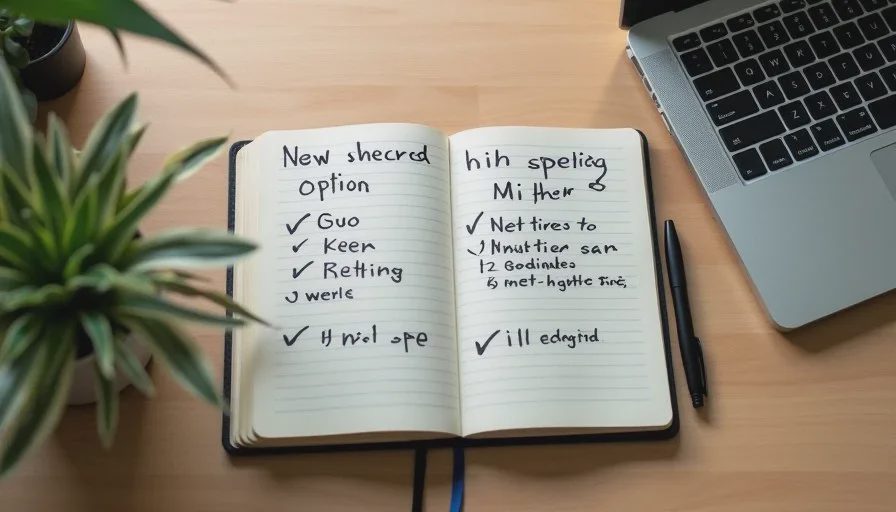
When you hear the future-proof framing, pause and return to your actual tasks. List the things that fill most of your screen time right now. Then ask whether the higher configuration changes any of those tasks in a way you will notice. For pure office and hybrid work the answer is frequently no.
It is also useful to separate longevity of the hardware from longevity of the software experience. A mid-tier laptop with solid build quality, adequate memory for multitasking, and good battery life often stays pleasant for years when the workload stays in the normal range. The higher processor does not automatically translate into a longer useful life if the limiting factors are battery degradation, keyboard wear, or simply changing needs.
A More Practical Way to Decide
Start with the workload, not the ceiling. If your days are built around email, browser tabs, documents, and video calls, a well-chosen mid-tier laptop already contains comfortable headroom. Adding the next processor tier or the largest memory configuration is rarely the highest-value use of the budget.
Test the keyboard and trackpad. Sit with the weight. Check how the machine feels when several ordinary apps are open. These checks reveal more about daily satisfaction than the difference between two processor generations for non-creative work.
Leave room in the budget for the accessories that affect posture, charging, and desk comfort. A capable mid-tier laptop plus a good stand and a reliable charger often produces a smoother workday than a higher-spec machine sitting flat on the desk with a short cable.
Apply the same day-10 attention you would give any new device. If the higher-spec laptop generates early notes about heat, fan noise, or battery behavior under normal loads, those signals matter more than the original sales pitch.
What I Tell People Now
When friends or colleagues ask how much laptop they need for office work, I give the same advice I eventually learned to give on the floor once I stopped repeating the standard upsell script. Match the machine to the work you actually do. Buy enough performance and memory to keep that work smooth. Stop before the configuration that only protects you against tasks you have no evidence you will take on.
The mid-tier option is not a compromise for most people. It is the configuration that aligns cost with daily reality. The upsell that sounds like insurance often functions more like an unnecessary premium.
I still see the same pattern in online configurations and in store conversations. The language of future-proofing remains persuasive. The lived results for ordinary workloads remain underwhelming. Recognizing the pattern is the first step toward declining it without feeling like you have settled.

Why This Particular Upsell Persists
Retail and product pages are designed to move customers toward higher margins. The higher configuration is easier to justify in the moment because the benefits are described in abstract future terms rather than concrete daily ones. “More power” sounds responsible. “The same experience for less money” requires the buyer to trust their own assessment of their workload.
There is nothing inherently wrong with buying the higher model if the workload justifies it or if the budget difference is genuinely unimportant to you. The problem arises when the upsell is accepted by default rather than chosen with clear eyes. Many of the people who later expressed quiet regret had not needed persuasion so much as a moment of clearer framing.
Final Thought
The most common laptop upsell I saw did not fail because the higher-spec machines were poorly made. It failed because it solved a problem most buyers did not have. Ordinary office and hybrid work rarely saturates a capable mid-tier laptop. The extra money bought numbers on a spec sheet and a feeling of safety on the sales floor. It rarely bought a noticeably better workday.
When you are configuring a laptop for email, documents, meetings, and travel, treat the future-proof pitch as a prompt to re-examine your actual tasks rather than an automatic reason to spend more. Buy the machine that matches the work you do now with reasonable headroom. Leave the rest of the budget for the things you will notice every day.
A good device should make your day easier, not louder. The upsell that only sounds impressive in the store often fails that test once real use begins.


No comments yet.