
I almost kept it. The device itself did what it was supposed to do. Performance was adequate. Build quality felt solid. After the first week I had no major complaints about the core experience. Then the daily charging routine started to wear on me. By the end of the second week the keep-or-return note was no longer about the device. It was about the charger, the cable, the heat, and the small workarounds I had already started making.
This pattern is more common than most reviews acknowledge. A product can clear every headline specification and still fail the quieter test of living with its power system. When charging becomes a recurring source of friction, the entire device starts to feel heavier than it should. I have returned otherwise acceptable products for exactly this reason.
How Charging Friction Actually Shows Up
The problems rarely announce themselves on day one. The cable that seemed long enough in the living room turns out to be short on a real desk. The charger that felt compact in the box becomes the brick you resent packing. The port that worked smoothly at first needs a precise angle to make contact. Heat builds during normal top-ups and makes the device unpleasant to use while it is plugged in. None of these issues appear dramatic in isolation. Together they turn a simple daily task into a low-level negotiation.
I started writing the same short notes I use for every keep-or-return test:
“Cable too short for the desk layout.”
“Charger runs warmer than expected.”
“Have to reseat the connector more often than I should.”
“Already leaving it plugged in overnight because daytime charging is annoying.”
When those notes accumulate, the device’s other strengths matter less. The mental cost of managing power begins to outweigh the benefits of owning it.
The Specific Failures That Tip the Decision
Cable Length and Stiffness
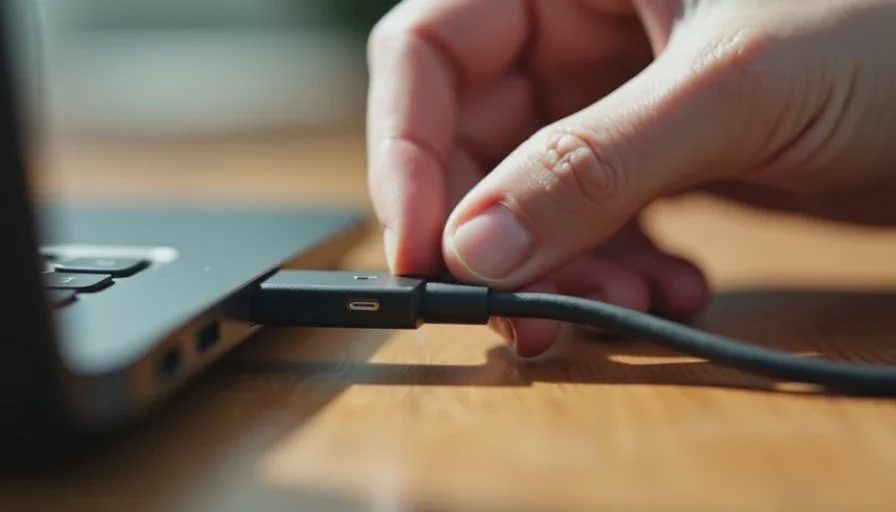
A cable that only reaches when the device sits in one exact spot on the desk creates constant rearrangement. Stiff cables that fight every bend add another layer of irritation. I have watched people (and myself) develop small workarounds—moving the laptop closer to the wall, stacking books under the charger, avoiding certain outlets entirely. Those workarounds are early warnings.
Heat During Ordinary Charging
Some devices become noticeably warm while taking a normal charge. Using the device during that time feels unpleasant. Leaving it alone until it finishes adds waiting time that was never part of the original appeal. Heat that appears only under fast-charge conditions is easier to accept. Heat that appears during regular top-ups becomes part of the daily experience.
Port and Connector Reliability
A port that requires careful alignment or occasional reseating introduces micro-friction every time you plug in. Over two weeks those moments add up. The same is true for connectors that feel loose or that only charge at a particular orientation. Reliability here is not a premium feature. It is basic usability.
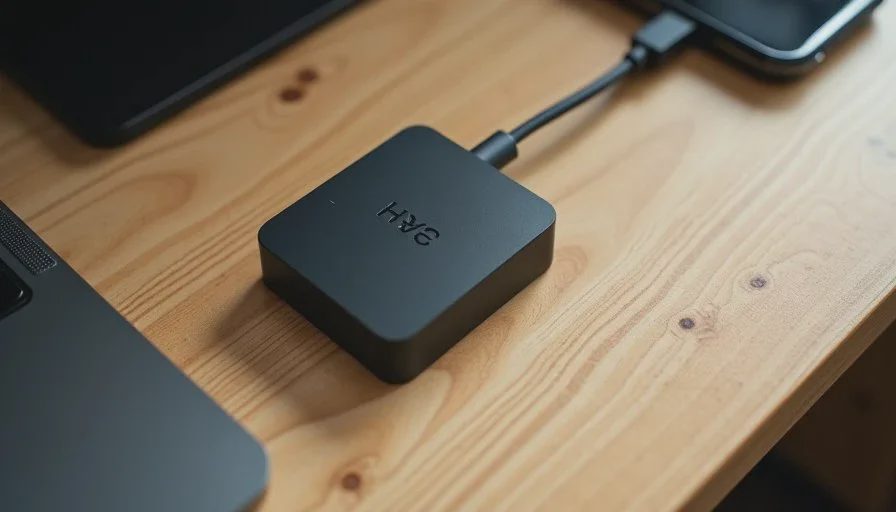
Charger Bulk and Travel Behavior
A charger that is effective at home but too bulky or oddly shaped for the bag becomes an item you leave behind. Once that happens, the device’s battery life is tested more harshly and the original convenience promise erodes. I pay close attention to whether the charging system travels with me by default or requires a separate decision each time.
Why This Issue Gets Under-Reported
Product reviews tend to focus on performance, design, and peak battery numbers. Charging experience is usually summarized in a sentence or two about wattage and claimed recharge times. The lived details—cable behavior on a real desk, heat during mixed use, the mental load of managing yet another proprietary brick—rarely receive the same attention.
Those details only become obvious after repeated daily cycles. That is why the two-week keep-or-return window is useful. Early excitement about the device itself can mask charging problems for several days. Once the routine settles, the friction becomes harder to ignore.
I have kept devices with average performance because their charging was simple and reliable. I have returned devices with stronger specifications because every charge required small compromises. The second category is more disappointing precisely because the core product was otherwise fine.
How I Now Evaluate Charging Before Anything Else
When I test a new device I deliberately use it the way I will live with it. I charge it at the desk I actually use, with the outlets that already exist. I pack the charger the way I would pack for a normal day. I notice whether I am already developing workarounds by day five or six.
I also check whether the charging system reduces or increases the total number of cables and bricks I need to manage. A device that requires its own unique charger and a specific cable adds to the pile. A device that works comfortably with a charger I already carry is easier to keep.
Heat, cable length, connector feel, and travel practicality are now part of the same first-week checklist that includes comfort and core performance. If the charging experience is already generating notes, the rest of the evaluation becomes stricter.
Real Examples of the Pattern
A laptop that performed well for office work but came with a short, stiff cable and a charger that ran hot under normal loads. The machine itself was fine. The daily act of powering it was not. After two weeks the cable and heat notes outweighed the performance strengths.
A pair of earbuds whose case charged slowly and required a precise cable orientation. The earbuds sounded acceptable and fit comfortably. The case became the item I resented dealing with each evening. The system as a whole failed the simplicity test.
A tablet that accepted charge only at a relatively low rate once it reached mid-battery, turning afternoon top-ups into long waits. The screen and weight were pleasant. The charging behavior made me plan around it instead of simply using it.
In each case the device could have stayed if the power experience had been ordinary. Because it was not, the keep-or-return decision tilted toward return.
What a Good Charging Experience Feels Like
The best charging systems are almost invisible. The cable reaches the natural place you want to put the device. The connector seats cleanly without fuss. Heat stays modest during normal top-ups. The charger is compact enough that it travels without debate. You stop thinking about power because the routine requires no special handling.
When those conditions are present, even a modest device feels more pleasant to own. When they are absent, even a capable device starts to feel like extra work. That asymmetry is why charging friction carries so much weight in long-term satisfaction.
I now treat a clean charging experience as a primary feature rather than a supporting detail. It influences posture at the desk, the willingness to move between rooms, and the likelihood that the device will be ready when I need it. Those outcomes matter more on an ordinary Tuesday than most peak performance numbers.
Practical Steps If Charging Is Already Annoying
First, check whether a different cable solves the length or stiffness problem. A better cable is often cheaper than returning the entire device and can remove a surprising amount of friction.
Second, test whether a multi-port charger you already own works cleanly with the device. Reducing the number of dedicated bricks simplifies daily life.
Third, pay attention to heat and port behavior for another few days. If the notes continue to accumulate, the return window is still the cleanest solution. Living with a daily irritation rarely makes it smaller.
Finally, apply the same standard to the next purchase. A device whose charging system is simple and reliable has a higher chance of staying in the rotation even if its other specifications are less dramatic.
Final Thought
The device was fine. The charging experience was not. That distinction is easy to miss in the first days of ownership and hard to ignore once the routine settles. Cable length, heat, connector reliability, and travel practicality shape how a product feels across weeks and months. When those elements create recurring friction, the rest of the device’s strengths lose influence.
A good device should make your day easier, not louder. A charging system that demands constant small compromises fails that test even when the product itself is otherwise capable. Pay attention to how power actually works in your real spaces and real schedule. The quiet daily experience of charging often decides whether the device stays or goes.


No comments yet.