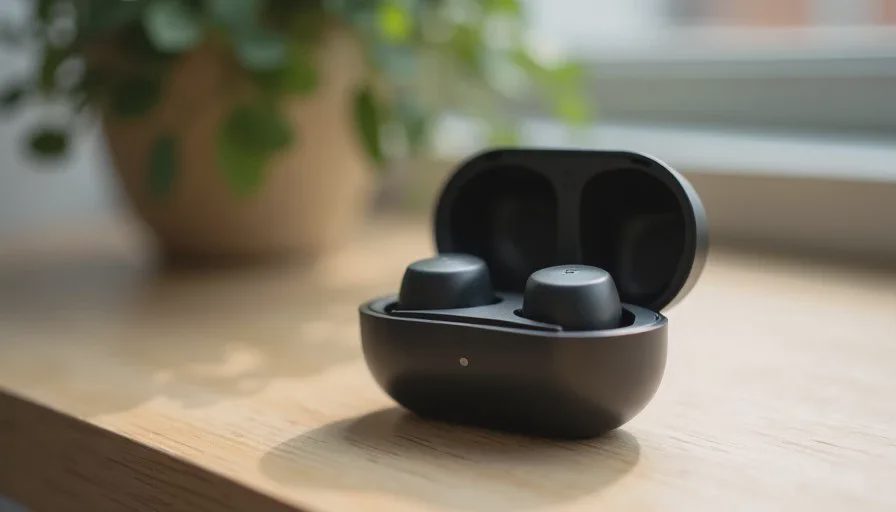
I used to assume that decent wireless earbuds required a serious budget. The premium models dominated the display cases and the recommendation lists. Then I started paying closer attention to the less expensive options that customers actually kept. Some of them delivered clearer sound, more comfortable fits, and more reliable daily performance than their price tags suggested. A few even outlasted more expensive pairs in real use because they were comfortable enough to wear for hours and simple enough that people did not leave them at home.
Budget earbuds will not match the best premium models in every category. They can, however, clear the bar for ordinary work calls, podcasts, music during walks, and background listening far more effectively than many people expect. The key is knowing which compromises matter and which ones are mostly marketing noise.
What “Good Enough” Actually Means for Everyday Use
Most people need earbuds that do four things consistently: stay comfortable for at least an hour or two, sound clear enough that podcasts and calls are easy to follow, connect without constant fuss, and survive daily carry without feeling fragile. Noise isolation or light active cancellation helps on transit or in shared spaces. Microphone quality matters if meetings are part of the routine.
Premium features such as advanced spatial audio, extensive customization apps, or the absolute highest noise-cancellation scores are pleasant when they work well. They are not required for the majority of daily listening. When a budget pair handles the core four needs with only minor trade-offs, it often feels like a disproportionate win.
Where Budget Earbuds Commonly Surpass Expectations
Clarity for Voices and Podcasts
Many inexpensive models now tune their sound to keep voices intelligible. Podcasts, audiobooks, and calls benefit more from clear midrange than from exaggerated bass. Budget earbuds that prioritize this balance frequently feel more useful for work and commuting than richer-sounding pairs that muddy speech.
Comfort Over Longer Sessions
Premium earbuds sometimes chase secure fits with deeper insertion or stronger wing tips. The result can be fatigue after ninety minutes. Some budget designs use lighter shells and simpler tips that remain comfortable longer. For people who wear earbuds during extended work blocks or long walks, that sustained comfort can matter more than marginal gains in soundstage.
Practical Battery Behavior
Claimed battery numbers are optimistic across every price range. In real mixed use—calls, music, and short pauses—many budget earbuds still clear a full workday with the charging case. The case itself is often smaller and easier to slip into a pocket than the bulkier premium cases. Daily carry improves when the entire system is easy to bring along.
Low Friction Connection
Simple pairing and stable connection to a single phone or laptop remove a layer of irritation. Some inexpensive models do this more reliably than expected. Complicated multi-device switching is useful when it works and mildly annoying when it does not. For many people a straightforward connection is the better daily experience.

The Compromises You Should Expect
Bass is often lighter or less controlled. If you care deeply about music with heavy low end, the gap will be noticeable. For voice-first listening the difference is smaller.
Active noise cancellation, when present, is usually modest. It reduces some low rumble and office chatter but will not match the stronger systems on premium models. Passive isolation from a good seal still does useful work.
Build materials feel less substantial. The earbuds and case may use more plastic and fewer refined textures. As long as the hinges and charging contacts remain reliable, the practical impact is limited.
Microphone performance varies widely. Some budget pairs handle quiet indoor calls adequately and struggle more outdoors. If calls are central to your day, this is the feature worth testing carefully before committing.
How I Evaluate Budget Earbuds in Real Use
I apply the same two-week keep-or-return filter. Early impressions of sound are easy to like. Sustained comfort, connection stability, and whether I keep reaching for the pair are more informative.
I wear them during actual work blocks and ordinary walks. I take calls. I notice whether I remove them earlier than expected because of pressure or heat. I check whether the case has become part of the daily bag or whether it stays on the desk. Two weeks is usually long enough for the pattern to appear.
Earbuds that remain comfortable, deliver clear voices, and travel without friction tend to stay. Earbuds that generate repeated notes about fit, connection drops, or muffled calls usually go back even if the price was attractive.
Practical Buying Filters That Help
Prioritize fit and comfort over feature lists. A slightly less capable pair that stays in your ears for two hours is more useful than a feature-rich pair you remove after forty minutes.
Listen to spoken content during any test. Music can mask clarity problems that become obvious with podcasts or calls.
Check how the case feels in a pocket or small bag compartment. Bulk is one of the main reasons inexpensive earbuds get left behind.
Confirm the charging standard. USB-C cases simplify daily life. Proprietary cables add another item to remember.
Read recent user comments that mention longer-term comfort and call quality rather than first-day excitement. Patterns after several weeks are more predictive than unboxing reactions.
Common Mistakes That Reduce the Value
Buying the cheapest available pair without checking fit. Discomfort cancels any price advantage.
Chasing active noise cancellation numbers on a budget model and then discovering the effect is minimal while battery life or comfort suffers.
Assuming that a higher price within the budget category automatically improves the features that matter for daily use. Sometimes the mid-budget option with better tuning and a lighter case is the more practical choice.
Expecting premium call performance in noisy outdoor environments. Even some expensive earbuds struggle here. Indoor and moderate outdoor conditions are the more realistic test for most work and commuting.

What Still Surprises Me
I continue to be surprised by how far the better budget options have come for voice clarity and basic comfort. They do not eliminate the premium category, but they have narrowed the practical gap for ordinary listening and calls. People who once assumed they needed to spend heavily to get acceptable wireless earbuds now have more workable choices.
The pairs that succeed at lower prices share a few quiet traits. They seal well enough for the environments they are used in. They keep voices intelligible. They stay comfortable past the first hour. They are easy enough to carry that they actually leave the house. When those conditions are met, the listening experience feels disproportionately good relative to the cost.
I have returned inexpensive earbuds that failed the comfort or connection test. I have kept others that simply never generated a complaint after weeks of mixed use. Price alone does not decide the outcome. Real daily behavior does.
Final Thought
Budget earbuds will not replace the best premium models for every listener or every situation. They can, however, deliver clear sound, usable comfort, and reliable daily performance that exceeds what many people expect at the price. The useful approach is to focus on fit, voice clarity, carry convenience, and sustained comfort rather than on the feature lists that dominate higher price tiers.
A good device should make your day easier, not louder. A pair of inexpensive earbuds that stays comfortable, handles calls without drama, and travels with you by default meets that standard more effectively than a more expensive pair that spends most of its time in a case. Test for the hours you actually live, keep the ones that disappear into the routine, and let the rest go. That is still the most reliable way to find performance that feels better than the price suggests.


No comments yet.